Recherches suggéréesÉchap
Un titre, un mot-clé… trouvez votre prochaine lecture.
Mode d’affichage
Mon panier
Mes favoris
80.00 ₪
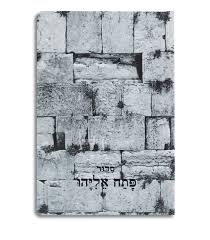
Aujourd’hui, soixante ans après la Shoah, le public témoigne un intérêt particulier pour ses victimes mais aussi pour ses rescapés. La correspondance contenue dans le présent ouvrage est en quelque sorte aussi une rescapée : elle a survécu à la guerre et aux persécutions des juifs. Datant de l’année 1938, elle se fait l’écho de la vie d’un shtetl polonais et, plus particulièrement, au sein de la plus grande yechiva européenne de l’époque, avec le retentissement plus ou moins direct des méfaits du nazisme et de l’antisémitisme polonais. Quoi de plus naturel pour Ernest Gugenheim, jeune juif alsacien issu d’une longue lignée rabbinique, que d’aller chercher son diplôme à Paris, au Séminaire Israélite de France, alors dirigé par le Grand-Rabbin Maurice Liber ! Mais ce qui sort de l’ordinaire, c’est sa décision d’approfondir ses connaissances talmudiques dans une yechiva d’Europe Centrale. En un temps où l’on voyageait peu, où les études juives dignes de ce nom étaient réservées à un petit nombre, peu de jeunes en France ont partagé cette expérience et la plupart des adultes ignoraient ce qu’était une véritable yechiva. C’est ce qu’Ernest Gugenheim va révéler à ses correspondants, de janvier à septembre 1938, découvrant avec admiration ces centaines d’étudiants venus de divers pays pour se livrer tout entiers à la découverte et à l’approfondissement du Talmud. Tout en conservant un esprit critique concernant les conditions primitives de la vie matérielle et certains aspects de la mentalité qui règne à Mir, il se laisse séduire au point de souhaiter y rester une deuxième année. Mais faute du financement nécessaire, il y renonce et compense sa déception par un périple touristique durant ses vacances d’été, à la découverte du pays et de ses » Rabbis « , dont il fait à sa famille une description objective – témoignage historique d’un judaïsme et de ses « monuments » aujourd’hui entièrement disparus. Rappelé prématurément en France à cause de la crise qui a précédé les accords de Munich, Ernest Gugenheim restera sept ans sous l’uniforme, puis rejoindra le Séminaire Israélite de France pour y enseigner le Talmud et le droit rabbinique, en s’efforçant de transmettre à ses disciples (parmi lesquels ses enfants) la passion de l’Etude qu’il a puisée à la Source !
| Auteur | Ernest Gugenheim |
|---|---|
| Édition | BIBLIEUROPE |
| Nombre de pages | 162 |
| Poids | 0.373 kg |
| Largeur | 16 cm |
| Hauteur | 23 cm |
| Disponibilité | En stock |
Nous livrons partout en Israël ainsi qu’à l’international.
Tarifs de livraison :
Délais de livraison : 1 à 5 jours ouvrables en Israël.
Après réception de votre commande, nous vous contacterons pour confirmer les détails et organiser la livraison.
Pour les livraisons internationales, les tarifs et délais sont convenus directement par téléphone.
Merci de renseigner une adresse complète et un numéro de téléphone joignable.
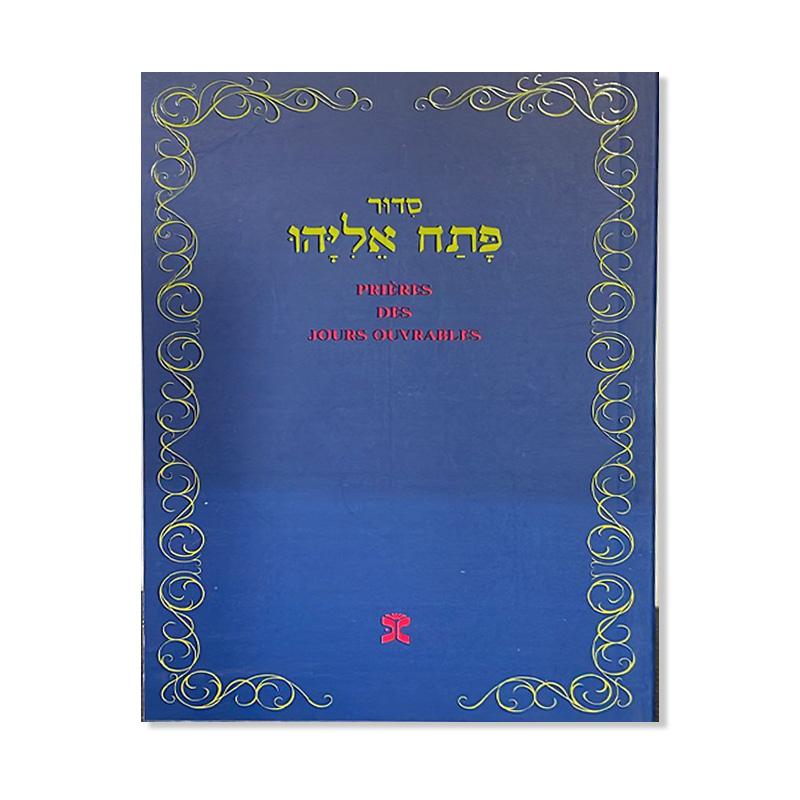
36.00 ₪
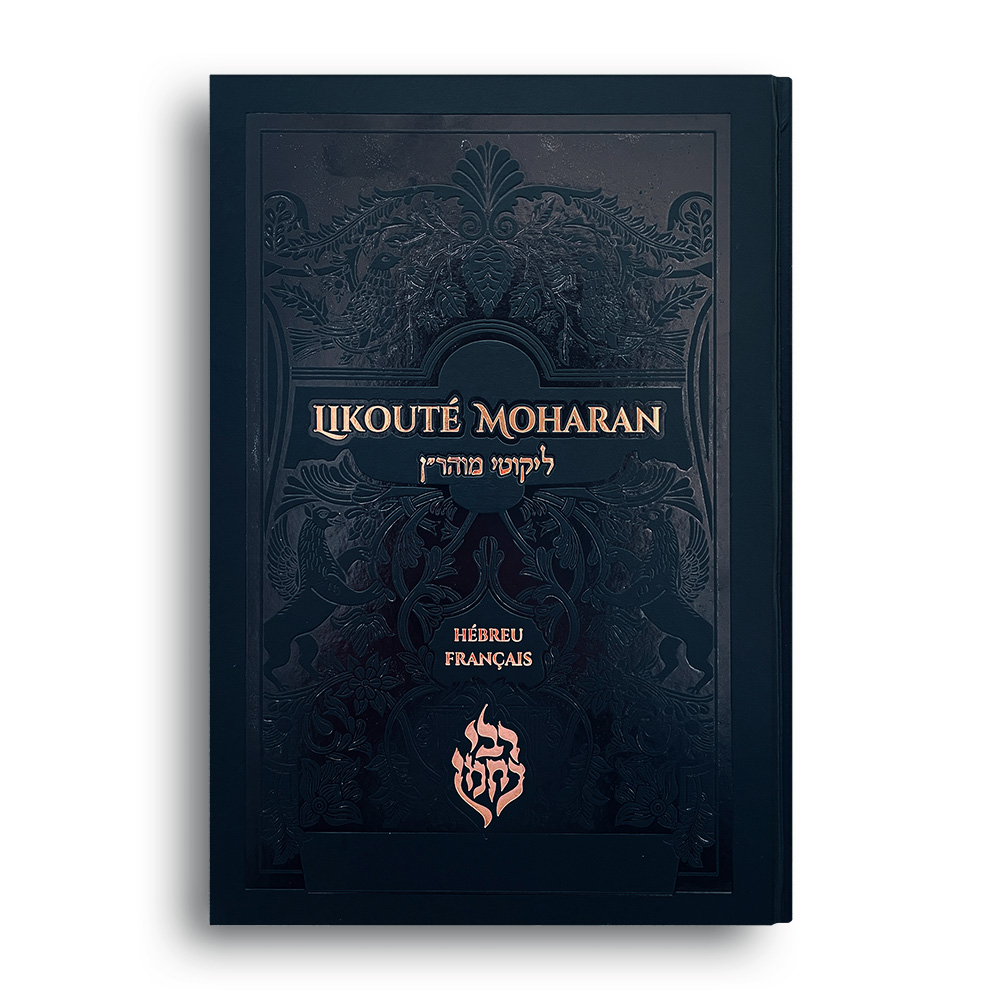
199.00 ₪
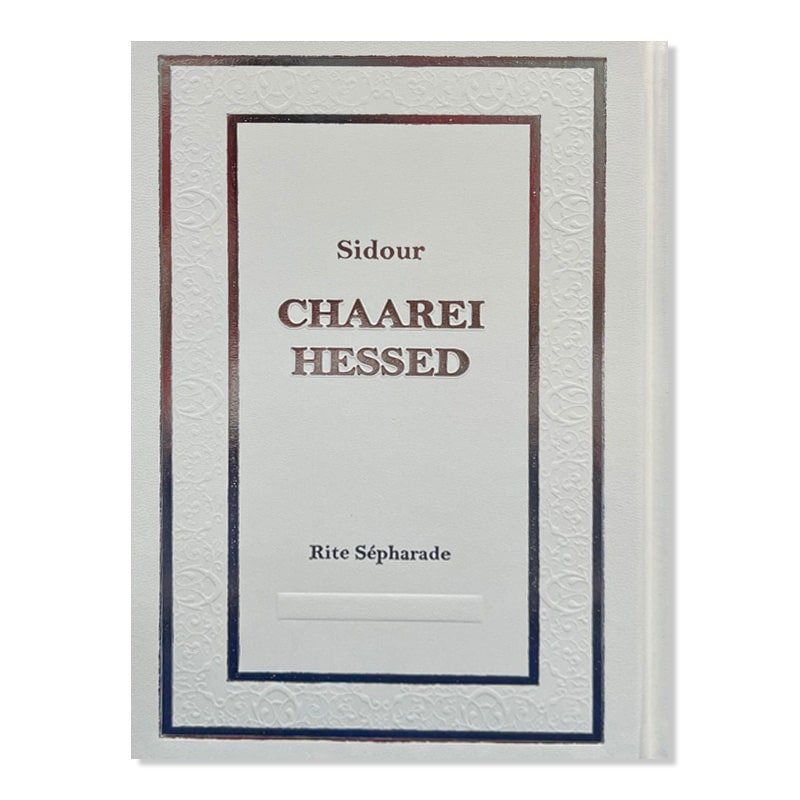
360.00 ₪ – 399.00 ₪Plage de prix : 360.00 ₪ à 399.00 ₪
270.00 ₪
160.00 ₪

150.00 ₪

100.00 ₪
Nous utilisons des cookies et des technologies similaires pour améliorer votre expérience sur notre site, afficher du contenu personnalisé et analyser le trafic. En cliquant sur « Tout accepter », vous consentez à l’utilisation de tous les cookies. Vous pouvez modifier vos paramètres à tout moment en cliquant sur « Gérer les préférences ».
Gallia Déclaration d'accessibilité
We firmly believe that the internet should be available and accessible to anyone, and are committed to providing a website that is accessible to the widest possible audience, regardless of circumstance and ability.
To fulfill this, we aim to adhere as strictly as possible to the World Wide Web Consortium’s (W3C) Web Content Accessibility Guidelines 2.1 (WCAG 2.1) at the AA level. These guidelines explain how to make web content accessible to people with a wide array of disabilities. Complying with those guidelines helps us ensure that the website is accessible to all people: blind people, people with motor impairments, visual impairment, cognitive disabilities, and more.
This website utilizes various technologies that are meant to make it as accessible as possible at all times. We utilize an accessibility interface that allows persons with specific disabilities to adjust the website’s UI (user interface) and design it to their personal needs.
Additionally, the website utilizes an AI-based application that runs in the background and optimizes its accessibility level constantly. This application remediates the website’s HTML, adapts Its functionality and behavior for screen-readers used by the blind users, and for keyboard functions used by individuals with motor impairments.
If you’ve found a malfunction or have ideas for improvement, we’ll be happy to hear from you. You can reach out to the website’s operators by using the following email
Our website implements the ARIA attributes (Accessible Rich Internet Applications) technique, alongside various different behavioral changes, to ensure blind users visiting with screen-readers are able to read, comprehend, and enjoy the website’s functions. As soon as a user with a screen-reader enters your site, they immediately receive a prompt to enter the Screen-Reader Profile so they can browse and operate your site effectively. Here’s how our website covers some of the most important screen-reader requirements, alongside console screenshots of code examples:
Screen-reader optimization: we run a background process that learns the website’s components from top to bottom, to ensure ongoing compliance even when updating the website. In this process, we provide screen-readers with meaningful data using the ARIA set of attributes. For example, we provide accurate form labels; descriptions for actionable icons (social media icons, search icons, cart icons, etc.); validation guidance for form inputs; element roles such as buttons, menus, modal dialogues (popups), and others. Additionally, the background process scans all the website’s images and provides an accurate and meaningful image-object-recognition-based description as an ALT (alternate text) tag for images that are not described. It will also extract texts that are embedded within the image, using an OCR (optical character recognition) technology. To turn on screen-reader adjustments at any time, users need only to press the Alt+1 keyboard combination. Screen-reader users also get automatic announcements to turn the Screen-reader mode on as soon as they enter the website.
These adjustments are compatible with all popular screen readers, including JAWS and NVDA.
Keyboard navigation optimization: The background process also adjusts the website’s HTML, and adds various behaviors using JavaScript code to make the website operable by the keyboard. This includes the ability to navigate the website using the Tab and Shift+Tab keys, operate dropdowns with the arrow keys, close them with Esc, trigger buttons and links using the Enter key, navigate between radio and checkbox elements using the arrow keys, and fill them in with the Spacebar or Enter key.Additionally, keyboard users will find quick-navigation and content-skip menus, available at any time by clicking Alt+1, or as the first elements of the site while navigating with the keyboard. The background process also handles triggered popups by moving the keyboard focus towards them as soon as they appear, and not allow the focus drift outside it.
Users can also use shortcuts such as “M” (menus), “H” (headings), “F” (forms), “B” (buttons), and “G” (graphics) to jump to specific elements.
We aim to support the widest array of browsers and assistive technologies as possible, so our users can choose the best fitting tools for them, with as few limitations as possible. Therefore, we have worked very hard to be able to support all major systems that comprise over 95% of the user market share including Google Chrome, Mozilla Firefox, Apple Safari, Opera and Microsoft Edge, JAWS and NVDA (screen readers).
Despite our very best efforts to allow anybody to adjust the website to their needs. There may still be pages or sections that are not fully accessible, are in the process of becoming accessible, or are lacking an adequate technological solution to make them accessible. Still, we are continually improving our accessibility, adding, updating and improving its options and features, and developing and adopting new technologies. All this is meant to reach the optimal level of accessibility, following technological advancements. For any assistance, please reach out to

Séfèr Rachi Terei ‘Assar 2ème volume.
79.00 ₪